
Introduction
Ophthalmology post-surgery care is vital for a safe and quick recovery. After eye surgery, you may wonder about the best eye surgery recovery tips. In fact, caring for your eyes after surgery helps prevent problems and speeds up healing. Whether you want to know how to recover after eye surgery or need simple steps, this guide will help. Most people can return to normal life with the right care. However, following your doctor’s advice is key.
Why Post-Surgery Care Matters in Ophthalmology
Proper care after eye surgery protects your vision. For example, it lowers the risk of infection and other problems. Good care also helps your eyes heal faster. In addition, it can make your results last longer. Your doctor will give you special instructions. Always follow these closely. Even small mistakes can slow your recovery or cause harm. So, taking care of your eyes after surgery is just as important as the surgery itself.
Common Symptoms and What to Expect After Eye Surgery
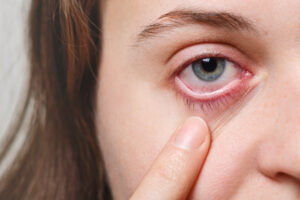
After eye surgery, you may notice some changes. These are usually normal. However, knowing what to expect can help you feel calm. Common symptoms include:
Usually, these symptoms improve each day. But if they get worse, you should contact your doctor. Sometimes, your doctor may tell you to use eye drops or wear a patch. Always ask if you are unsure about any symptom.
Step-by-Step Post-Surgery Care Instructions
After surgery, your doctor will give you clear steps to follow. These steps help your eyes heal well. Here is what you should do:
1. Take Medications as Directed
2. Keep Your Eyes Clean
3. Follow Activity Restrictions
Additionally, always attend your follow-up appointments. Your doctor will check your healing and answer your questions.
Warning Signs: When to Contact Your Ophthalmologist
While most people heal well, problems can happen. It is important to know the warning signs. Contact your ophthalmologist right away if you notice:
Early action can prevent serious problems. So, do not wait if you are worried.
Lifestyle Guidance for Optimal Healing
Healthy habits can help your eyes recover faster. For example, eat a balanced diet with fruits and vegetables. Drink plenty of water to stay hydrated. In addition, avoid smoking and limit alcohol. If you wear glasses, keep them clean. Try to get enough sleep each night. These steps support your body’s healing process. Moreover, ask your doctor before returning to work or driving.
Prevention of Complications
To lower your risk of problems, always follow your doctor’s advice. Do not touch or rub your eyes. Use only the medicines your doctor prescribes. Keep your hands and face clean. Avoid crowded places to reduce the risk of infection. If you have diabetes or other health issues, manage them well. This can help your eyes heal better. Remember, prevention is easier than treatment.
Frequently Asked Questions About Eye Surgery Recovery
Conclusion
Good ophthalmology post-surgery care is essential for healing and protecting your vision. Always follow your doctor’s advice and ask questions if you’re unsure about any part of your recovery.
For the best results and personalised post-surgery care advice, consult your ophthalmologist at VKS Eye Care. They will guide you through every step of your recovery to ensure optimal healing and vision health.