
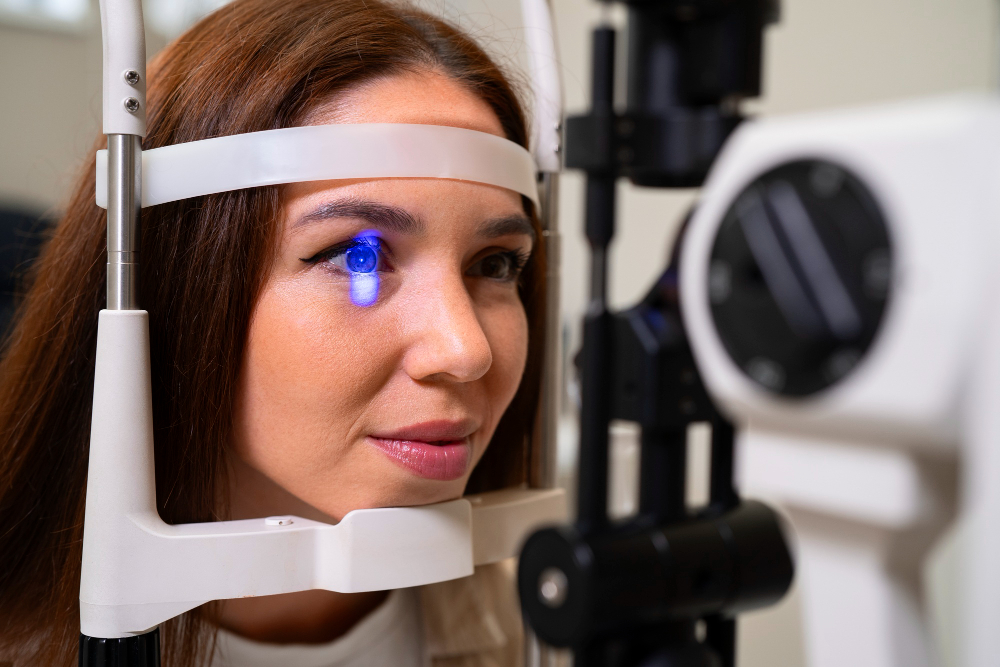
What is LASIK?
LASIK is a type of eye surgery that helps correct vision problems. Many people choose LASIK to reduce or stop using glasses or contact lenses. The word LASIK stands for Laser-Assisted In Situ Keratomileusis. In simple terms, a doctor uses a laser to reshape the clear front part of your eye, called the cornea. As a result, light focuses better on the back of your eye, which helps you see more clearly. According to the American Academy of Ophthalmology, LASIK is safe and effective for many people.
Who is a Candidate for LASIK?
Not everyone is a good fit for LASIK eye surgery. However, many adults with common vision problems can benefit. You may be a candidate if:
Still, only an eye doctor can decide if LASIK is right for you. For this reason, a full eye exam is needed before surgery.
How to Prepare for the LASIK Procedure
Before LASIK, your doctor will check your eyes and talk about your health. You may need to stop wearing contact lenses for a week or more. This is because contacts can change the shape of your cornea. In addition, you should arrange for someone to drive you home after the surgery. On the day of the procedure, avoid wearing makeup, lotions, or perfume. These steps help lower the risk of infection and make the surgery safer.
Step-by-Step: What Happens During LASIK Surgery
LASIK eye surgery is quick and usually painless. Here is what you can expect:
Most people feel only mild pressure during the surgery. However, you may notice bright lights or blurry vision for a short time.
Recovery and Aftercare: What to Expect
After LASIK, your eyes may feel dry or itchy. But these feelings usually go away within a few hours. Most people notice better vision within a day. However, it is important to rest and avoid rubbing your eyes. Your doctor will give you eye drops to prevent infection and help healing. You should also:
With proper care, most people return to normal activities within a day or two. Still, full healing may take a few weeks.
Potential Risks and Side Effects
Like any surgery, LASIK has some risks. Most people have no serious problems, but you should know about possible side effects. These may include:
Usually, these issues are mild and go away with time. However, talk to your doctor about your risks before deciding on LASIK. The American Academy of Ophthalmology and the CDC offer more details on LASIK safety.
Frequently Asked Questions About LASIK
Tips for a Smooth LASIK Experience
To get the best results from LASIK, follow these tips:
With good care, you can enjoy clear vision and a quick recovery.
In summary, LASIK eye surgery can help many people achieve clearer vision without the need for glasses or contact lenses. However, it’s important to understand the procedure and know what to expect before making a decision.
For a thorough evaluation and to determine whether LASIK is right for you, consult a qualified ophthalmologist at VKS Eye Care. We’re here to guide you toward the best vision correction option for your eyes.